For decades, the debate has raged in listening rooms from Tokyo to New York: does the warmth of analog vinyl truly outperform the pristine clarity of digital audio? In 2026, the gap has narrowed significantly. With the rise of high-resolution streaming services offering 24-bit/192kHz masters, the “coldness” of early digital is largely a myth. However, for the jazz purist, the medium remains the message.
The Dynamic Range Argument
Jazz is a genre defined by dynamics—the whisper of a brush on a snare drum versus the explosive blare of a trumpet section. Proponents of vinyl argue that the analog groove captures these transients with a natural compression that digital formats struggle to replicate. However, technical analysis from What Hi-Fi? suggests that modern lossless FLAC files actually offer a higher theoretical dynamic range (over 96dB) compared to vinyl’s 70dB limit. The “warmth” listeners hear on vinyl is often harmonic distortion—a flaw, yes, but a pleasing one.
The Ritual Factor
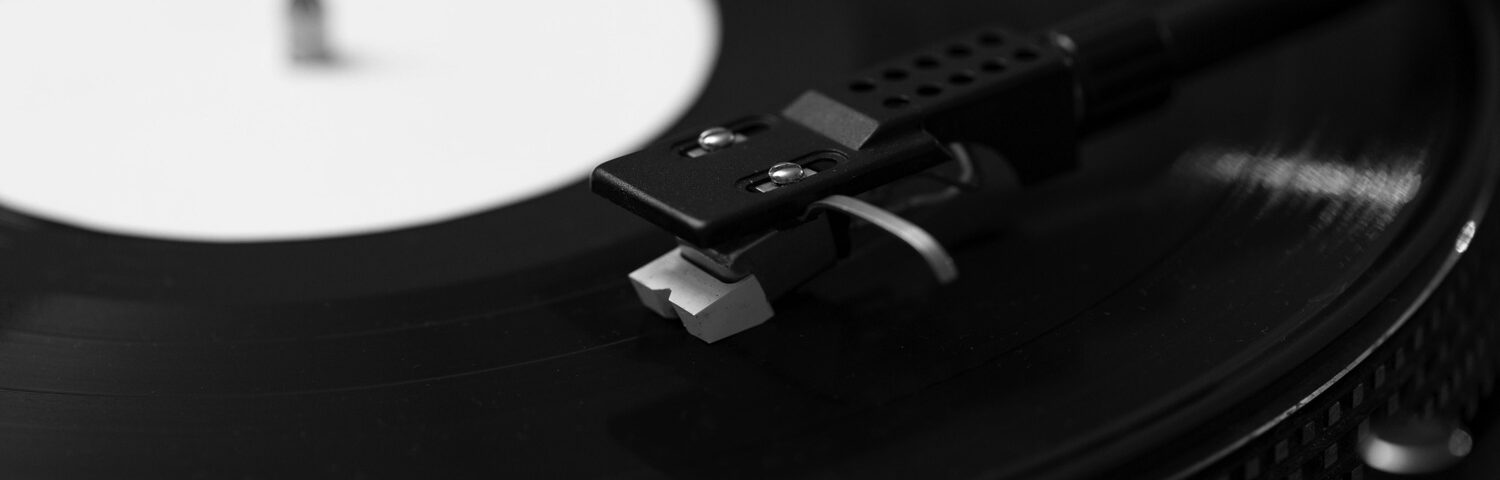
Beyond the specifications, there is the undeniable ritual of the record player. Dropping the needle on a Blue Note pressing of Kind of Blue forces the listener to engage with the album as a cohesive work of art, rather than a playlist of skipped tracks. In an era of infinite choice, the physical limitations of vinyl provide a necessary focus.
Verdict: The Hybrid Approach
For the modern audiophile, the answer isn’t binary. The ideal 2026 setup involves a high-quality DAC for discovering new music via streaming, and a dedicated turntable for savoring the classics. Jazz was built on improvisation and fusion; your listening room should be no different.